Australia’s goal of reaching net zero by 2050 is changing how we value every acre of farmland.
Some might see this as a far-off policy or a city-based goal. But it’s a serious shift in the market that affects everything from your bank loans to your land value.
Carbon farming is now a permanent part of the rural business world. You have a massive opportunity to lead this change and build a new income stream that doesn’t solely rely on the cattle market.
It’s now possible to earn carbon credits by improving your land health and storing carbon in your soil or trees. Major companies are looking for high-quality projects from producers they can trust.
But before you consider signing anything, we want you to have the facts. This article explores how carbon farming works on the ground, including common problems and helpful solutions to begin your carbon farming journey with confidence.
Key Takeaways:
- Carbon farming turns land stewardship into new income, building on practices many Australian farmers already use, without upending your operation.
- Choose projects that fit your farm and family. Consider running them on part of your land to maintain control and future flexibility for your kids.
- Strong data proves your farm’s true value. This has the potential to lower bank risk and boost the asset worth you pass on.
What is Carbon Farming?
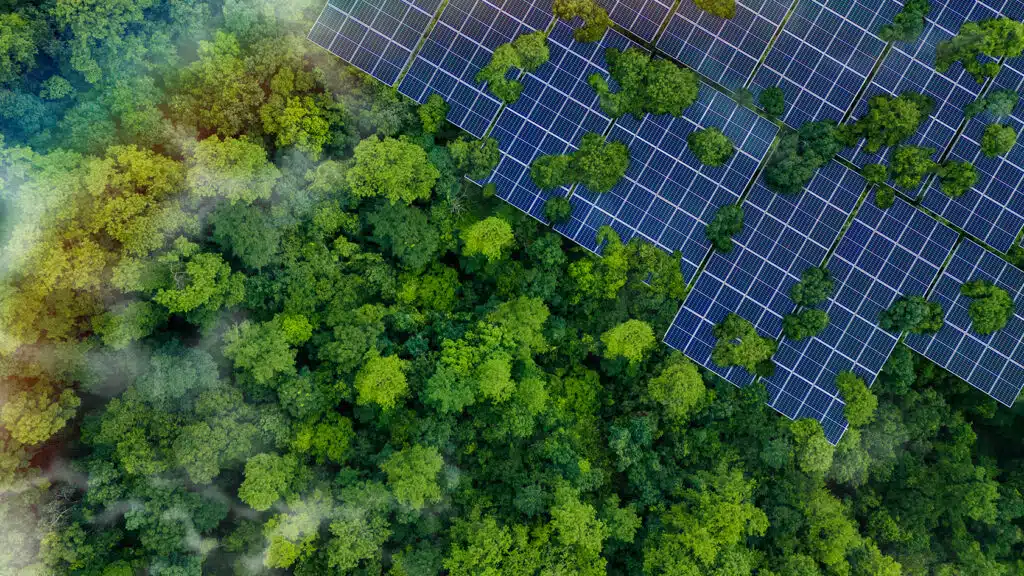
Think of the carbon farming initiative as growing a new crop in your paddocks. You’re using your land to trap carbon in your soil and trees, turning land management changes into financial credits.
In Australia, these projects are recognised under the Australian Carbon Credit Unit scheme, which sets the rules for how carbon is measured, verified, and credited. Each tonne of eligible carbon dioxide your project delivers can be issued as one Australian Carbon Credit Unit (ACCU).
This isn’t just about planting trees. Soil carbon projects involve all kinds of changes. You might adjust your grazing rotations or use different fertilisers to build organic matter. You can also protect or regrow native forests that were cleared in the past.
Bear in mind that you don’t get paid for existing habits. The government uses a rule called additionality. It means you must do something new. You need a clear plan to show how your management stores more carbon than your usual baseline.
Doing all this unlocks your natural capital, or in other words, the financial value of your whole farm ecosystem. By proving your carbon storage, you turn the health of your land into a verified business asset. You can then sell these credits to the government or a business, and use the verified data about your land’s condition and emissions to support conversations with your bank.
Agriculture Is Already Part of the Solution
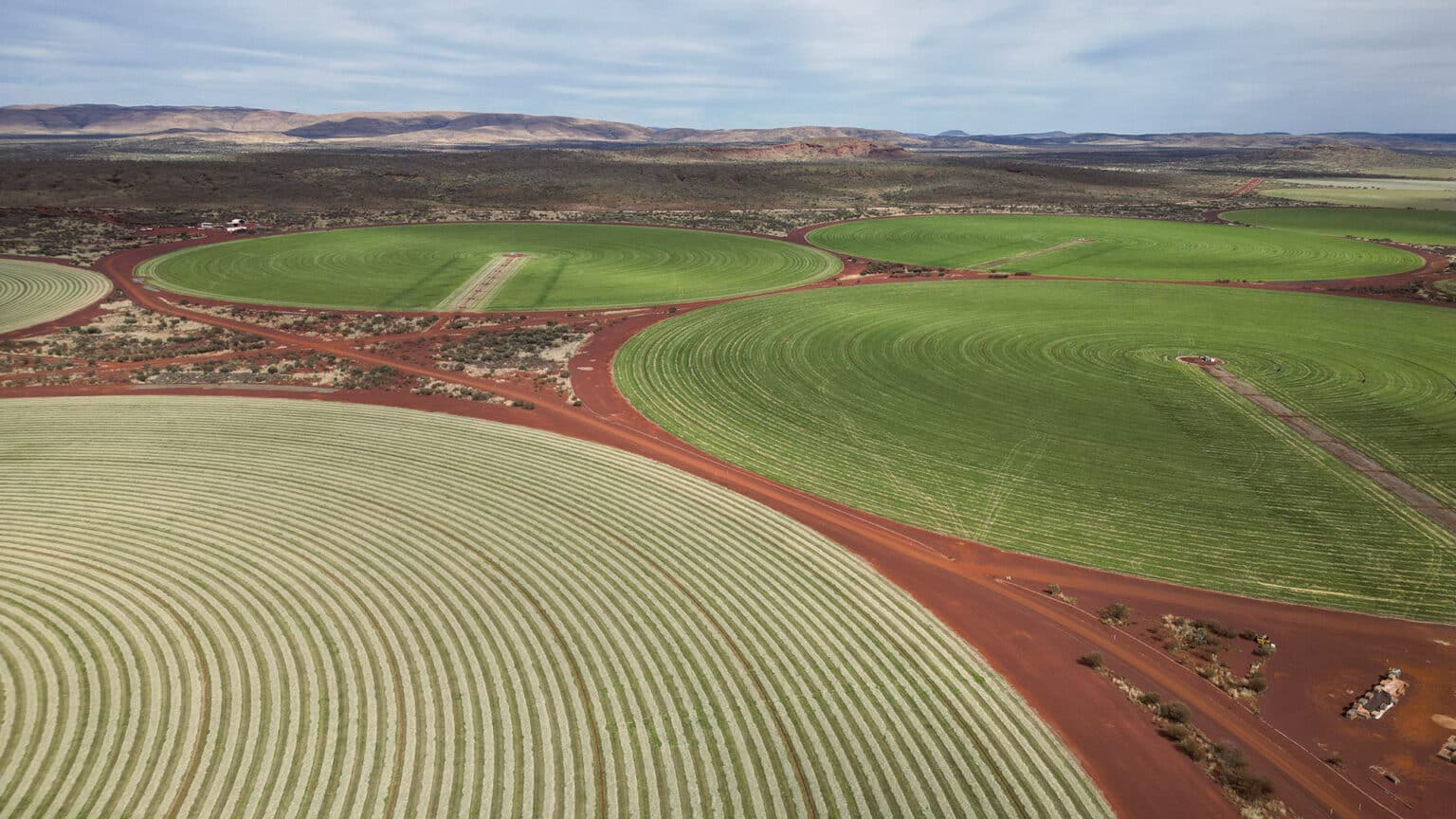
Most of you are already doing the heavy lifting. Many Australian farms use methods that build healthy soils and keep emissions low. You might even be operating near carbon neutral without knowing it. You’re doing the work, but you’re not getting the credit.
The real hurdle for most producers is the data gap. You probably don’t have the stack of verified records needed to prove your worth to a buyer. Solid data is the only way to show your baseline and track your progress. It’s how you unlock the full value of your land and show your bank that your business is built to last.
Why Carbon Projects Can Be Hard to Understand
Even though the carbon farming market is starting to mature, finding clear and honest info is still a slog. This isn’t just a problem for you. It’s a headache for your valuer, your bank manager, and your accountant too. If the experts are struggling to make sense of the rules, you’ve got every right to feel a bit buried by it all.
We’ve found three big hurdles that make these projects hard to get a handle on.
1. Complex and Technical Information
Much of the content available about farming carbon is scientific. It’s often written by researchers rather than people who understand the daily reality of a working farm. This makes it hard to translate the math into practical impacts on your business or your grazing rotations.
2. Non-Disclosure Agreements (NDAs)
Many carbon project agreements contain strict confidentiality clauses. These NDAs create a transparency problem in the broader market. They can limit what information is available to buyers during a property sale and make it difficult for your advisers to understand your long-term obligations. This lack of transparency can make it hard to determine if a project is actually helping or hurting your land value.
3. Limited Industry Understanding
Very few people really understand the ins and outs of the ACCU scheme yet. Even fewer know how a project might limit what you can do with your land in the future. You need independent advice from someone who understands both the rules and the dirt before you sign a deal that lasts for decades.
Four Tips for Landholders Considering Carbon Farming
If you’re thinking about carbon farming in Australia, you need a clear strategy to protect your asset. Here are four practical steps to consider before signing any agreement.
1. Take Your Time
Don’t let the pressure of a “limited time offer” force your hand. Learn how carbon farming works and how it might fit with your existing business. Every property is different. You need to be certain that the management changes required for the project won’t compromise your core production goals.
2. Build Strong Records
Start today. Keep detailed and up-to-date information about your land and your business. This includes operational, environmental, and financial data. If you want to prove the consequences of climate change on agriculture are being managed on your farm, you need the numbers to show it.
3. Record Everything Once a Project Starts
Once you’re in a project, the need for data only grows. Track every operational change and every environmental outcome. Good documentation supports your future valuations, your audits, and any future property transactions. It ensures that your Australian Carbon Credit Units are defensible and valuable.
4. Seek Independent Advice
This is the most important step. Before making changes to your land use or signing any legal papers, get advice from professionals who are not connected to project developers. You need a partner who is focused on your property value and your family legacy, not just the number of credits generated.
The Risks and Rewards of Long-Term Commitments
Farming carbon is a long-term business decision. Most projects come with a permanence period of 25 or 100 years. This means you’re making a commitment that will outlast your own time on the land. It’s essential to think about succession planning and how this impacts future generations who will inherit the farm.
The rewards are clear. You get new income, better soil health, and improved drought resilience. But the risks are just as real. A project can restrict your ability to clear land, change your enterprise, or subdivide in the future. You must ensure the rewards outweigh the restrictions for the next generation. Protecting your land value means planning for your heirs as much as for your bank.
Frequently Asked Questions
Carbon farming is the process of using land management changes to store carbon in soil and trees. These changes are verified to earn credits that can be sold to the government or private companies.
The government issues credits for every tonne of carbon dioxide stored or avoided. You must follow an approved method and pass regular audits to prove the carbon is staying in the ground or the trees.
It depends on the project design. A well-planned project that improves soil health can increase value. However, a project with too many restrictions can make land harder to sell. This is why independent valuation advice is vital.
This is a rule under the ACCU scheme that means you can only get credits for new activities. You can’t get paid for environmental work you were already doing before the project started.
Yes, you can run a project on a specific area rather than your whole farm. You define a project area when you register. This could be a single paddock or a 200-hectare block. You can then keep your normal grazing or cropping habits going on the rest of the property.
Ending a project is very difficult and often involves paying back the value of the credits earned. You must treat these agreements as permanent commitments.
Acumentis specialises in Carbon Farming & Natural Capital services. We combine environmental science and regulatory expertise with 120 years of property valuation insights.
We’re here to provide the independent perspective you need to make an informed choice. Our team doesn’t just rely on satellite maps. We understand the heritage of the land and the realities of the property market.
We work to ensure your farm stays a productive and profitable legacy for your kids. Reach out to our natural capital consultants today to see how we can evaluate your carbon potential and protect your property’s future.