Two neighbouring properties, same rainfall, same soil type. One runs an environmental plantings project. The other runs on soil carbon.
Both earn Australian Carbon Credit Units (ACCUs), but one keeps the land in production while the other takes it out. Pick the wrong one for your property, and you’ve either given up grazing country you didn’t need to, or locked yourself into a management change you weren’t ready for.
Here’s how to tell which one suits your land, before a 25-year contract makes that decision for you.
Key Takeaways
- Different mechanism: Soil carbon changes how you farm existing land. Environmental plantings take land out of production for trees.
- Both can run 25 or 100 years: It’s your choice either way, not a fixed difference between the two.
- Waiting has a cost: Your baseline is set at registration, so delaying counts against you either way.
- Not sure carbon farming is right for you yet? Read our take on the risks, rewards and what to consider before you get as far as choosing a method.
What’s the difference between the two?
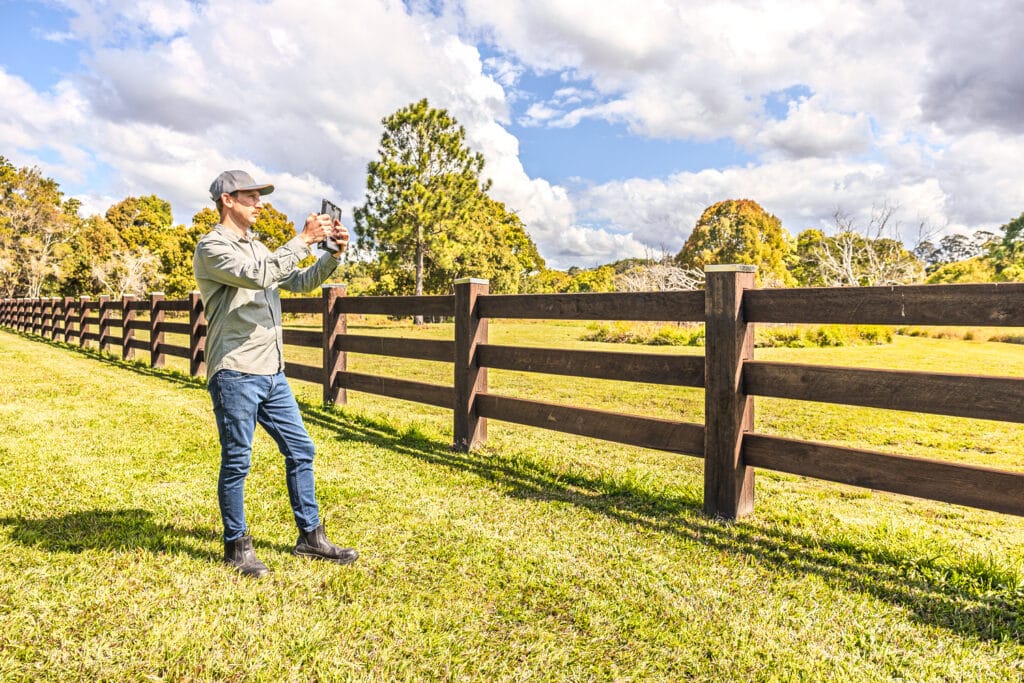
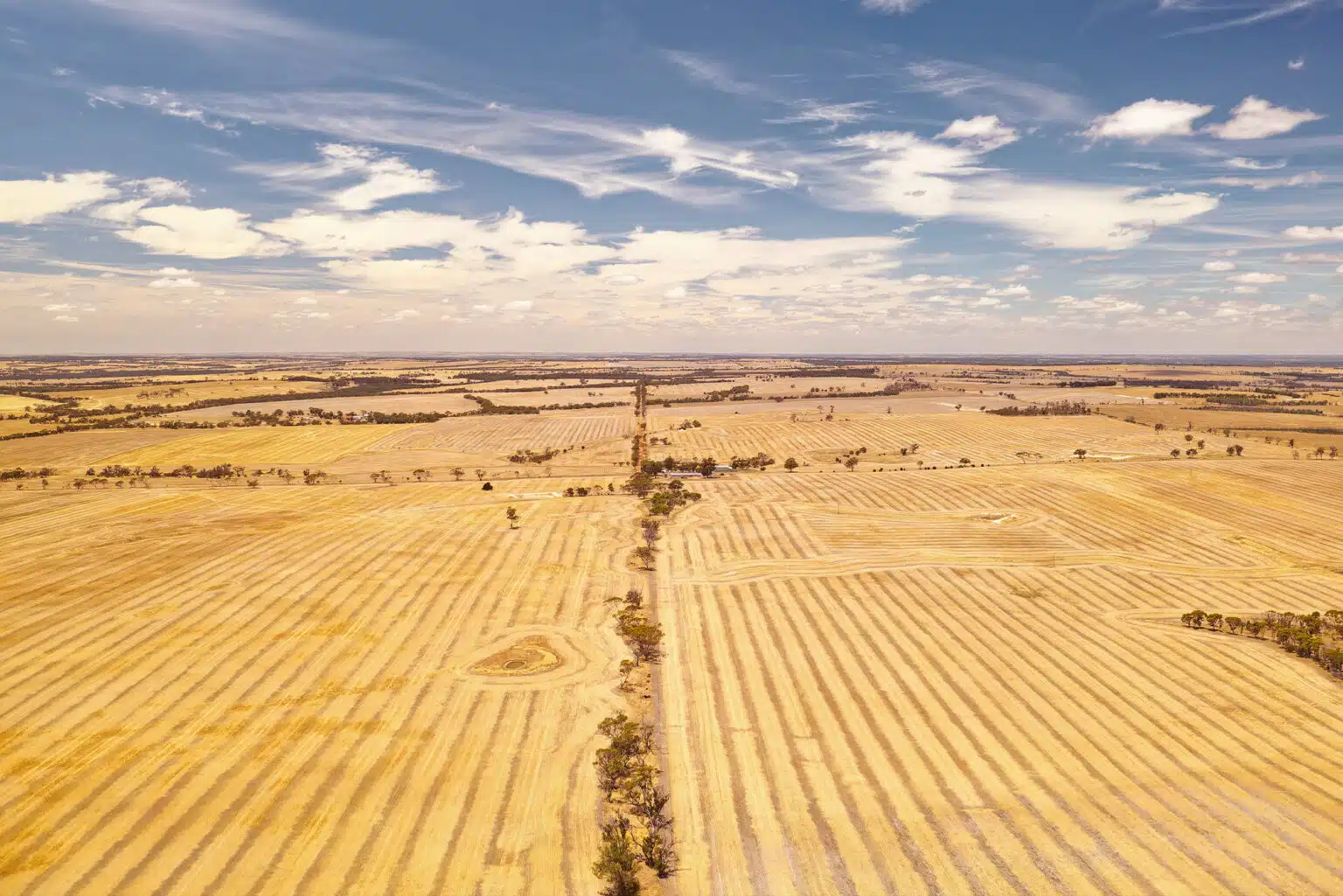
A soil carbon project works with land you’re already farming. You change a management practice, cover cropping, rotational grazing, reduced tillage, and the soil stores more carbon as a result.
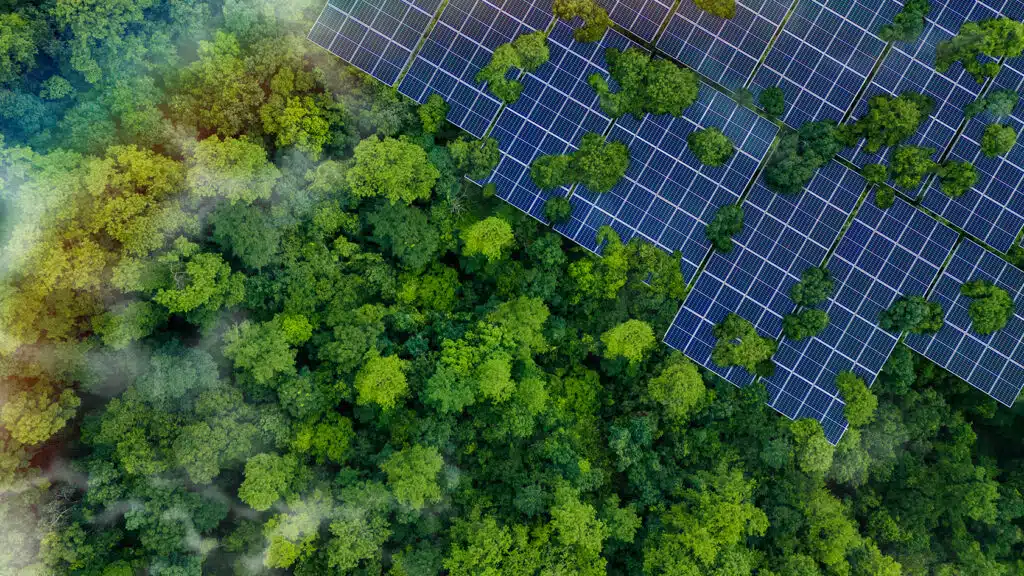
An environmental plantings project works differently. You set aside cleared land and establish native trees or shrubs, and the carbon builds in the vegetation as it grows.
| Soil Carbon | Environmental Plantings | |
|---|---|---|
| Suits | Land already in grazing, cropping or horticulture | Cleared land not currently farmed, or land you’re happy to retire |
| What changes | A management practice across your working paddocks | A defined area is planted and left to grow |
| Measurement | Soil sampling, repeated over time | Mostly remote sensing once established |
| Best suited to | Carbon income without giving up productive area | Marginal, erosion-prone or underused country |
Does this mean changing how I run the place?
With soil carbon, yes, at least in part. You need to introduce a new management activity, altered stocking rates or pasture rejuvenation, and show the soil carbon increases as a result.
With environmental plantings, the rest of the farm mostly continues as before. The change is contained to the planted area.
Which one fits land like yours
There’s no single right answer to this. It depends on your business, your soil, and how much of the property you’re willing to commit.
Reliable country with an existing grazing or cropping rotation tends to suit soil carbon. Marginal or erosion-prone land, or ground you’re ready to retire, tends to suit plantings instead.
A growing number of properties run both, plantings along a boundary or creek line, soil carbon across the working paddocks either side.
How locked in are you
This is usually the real question underneath “which one should I choose.” Both soil carbon and environmental plantings ask you to choose a permanence period of either 25 or 100 years at registration, and that commitment attaches to the land, not just to you.
In practice, most soil carbon projects choose 25 years, since decades more of soil sampling gets expensive to justify. Most 100-year elections are plantings, since long-term monitoring by remote sensing costs less once the trees are established.
Is one method more current than the other?
Environmental plantings runs on a method rewritten in 2024. Soil carbon still runs on the 2021 version. Both are active, government-regulated methods right now. One has simply been through a more recent update.
Which one pays out sooner
Soil carbon income tends to arrive earlier, since it’s measured through periodic soil sampling with a defined result at each point.
Environmental plantings builds more slowly at first. Young trees sequester carbon gradually, then faster as they mature. If you need income in the next few years, that timeline matters.
What the day-to-day monitoring actually looks like
Soil carbon means ongoing sampling and record-keeping, and results move with the seasons. A poor year can affect your numbers even when your management hasn’t slipped.
Environmental plantings is front-loaded instead. Planting, weed and pest control take real effort in the first few years, then monitoring becomes largely remote and low-touch.
Why waiting costs you
Your baseline is set at registration, not before. A management change on your soil, or trees already in the ground, won’t count toward a project you haven’t registered yet. Every season spent deciding is a season that can’t be credited either way.
Three questions worth asking before you sign
- What happens to the project if you sell the land partway through?
- Who owns the reporting and audit obligations from that point?
- What the fees cover, and what’s charged separately if sampling or site visits run over?
For the full checklist that applies to either project type, read our simple guide to carbon farming due diligence.
How Acumentis ESG can help
The right choice comes down to which paddocks you’d genuinely rather see under trees than under stock, and how soon you need the income. Get that right before you sign, and the next 25 years work for your business instead of against it.
This is the kind of property-specific decision our Carbon Farming & Natural Capital team works through with agribusiness owners, alongside the wider sustainability pressures reshaping Australian agriculture.
If you want a straight read on which method fits your property, book a carbon project feasibility assessment with our team.
Frequently Asked Questions
Yes, provided they sit on different, clearly mapped areas of land. Many producers run plantings on marginal or boundary country and soil carbon across the working paddocks.
The permanence obligation attaches to the land, not the individual owner, so it transfers with the sale. Any buyer needs to understand what they’re taking on before settlement.
Soil carbon results can dip in a poor season, since measurement reflects real conditions on the ground. Environmental plantings holds up better short-term, though extended drought can still affect how well young trees establish.
Soil sampling is repeated on a schedule you nominate with your provider, anywhere from every six months to every five years, to track the real change against your baseline.